Do You Do Websites?
We Start With Strategy.
Before anyone opens Figma, we open a conversation. There’s a moment in almost every web project where a client gets a little antsy. They’ve hired H&W. They’re excited. They want to see something designy, and we’re sitting across from them asking questions like: Who is this site actually for? What do you want them to do when they get there? What does your organization need to be true in two years that isn’t true today? We can sometimes see it on their faces: I thought we were here to talk about the website. We are. This is that conversation.
What strategy actually looks like in practice.
Strategy isn’t a document. It isn’t a workshop. It isn’t a slide deck full of frameworks with names you’ll never use again. It’s a set of clear answers to hard questions. These answers inform every decision that comes after.
So, here’s how we get there.
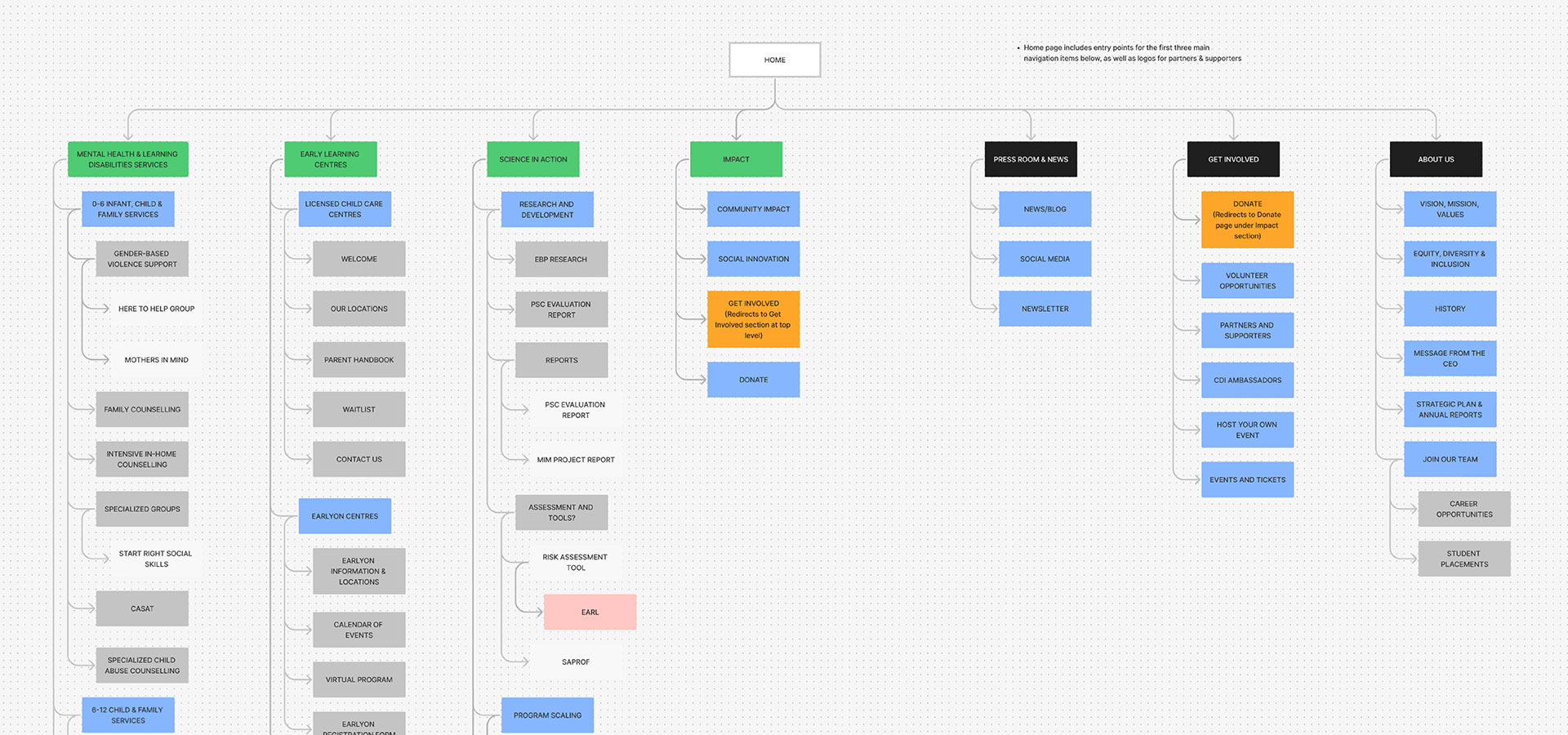
Discovery and stakeholder engagement. Every project begins with listening. We have said this for all of our 36-year history. Structured conversations with the people who know the organization best, and often with the people the site is meant to serve. When we built the new site for the Child Development Institute, we held sessions with leadership, staff, and CDI’s clients. What we heard in those rooms shaped everything. You can’t reverse-engineer that from a design brief.
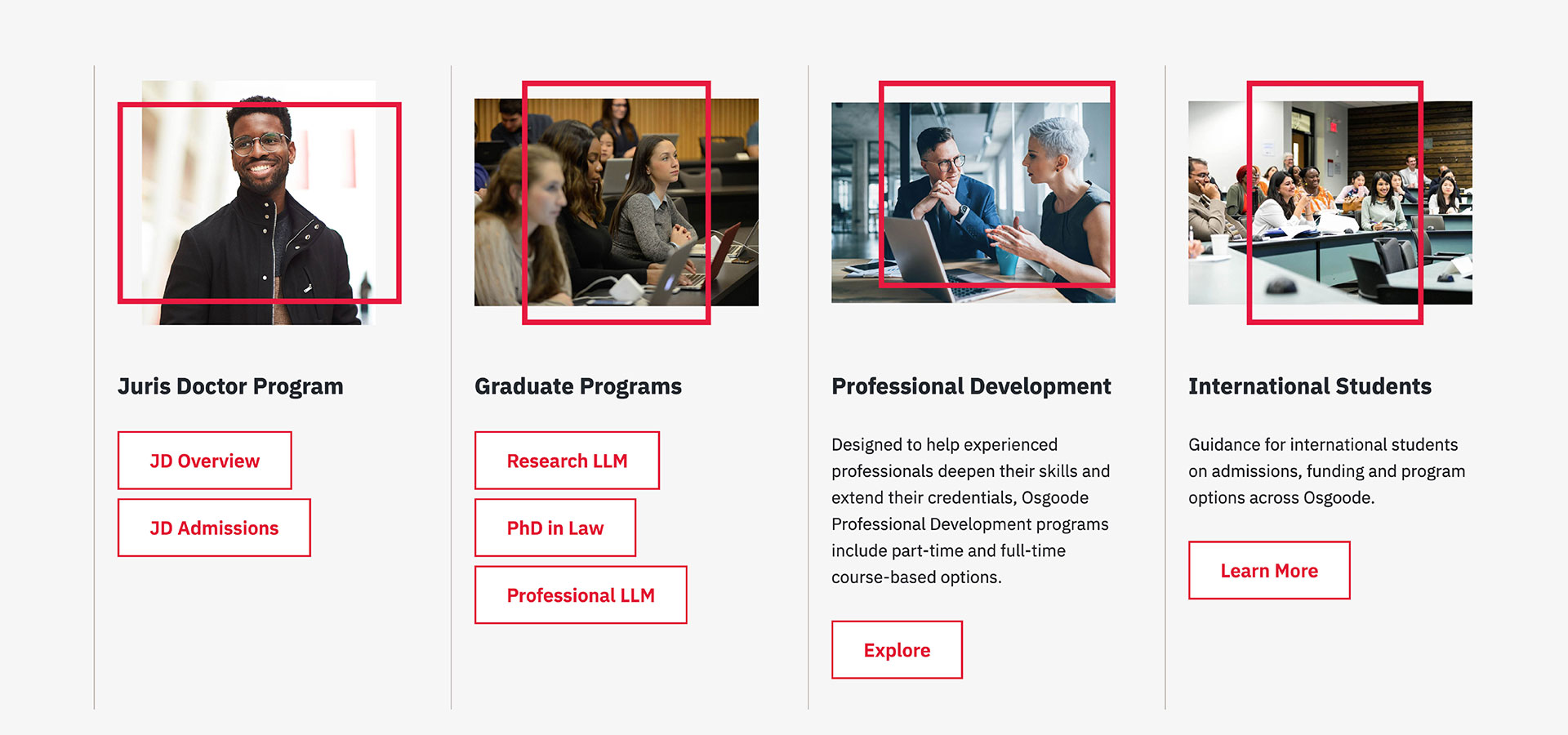
Audience definition. One of the most clarifying exercises we run is pushing clients to name the three people their website is actually for. Not “everyone”. Everyone is not an audience. For Osgoode Hall Law School, those audiences were distinct and demanding: prospective JD students, graduate students, faculty, and staff, each with different goals and different levels of existing knowledge. That specificity drove both the structure and the creation of entirely new sections that hadn’t existed before.
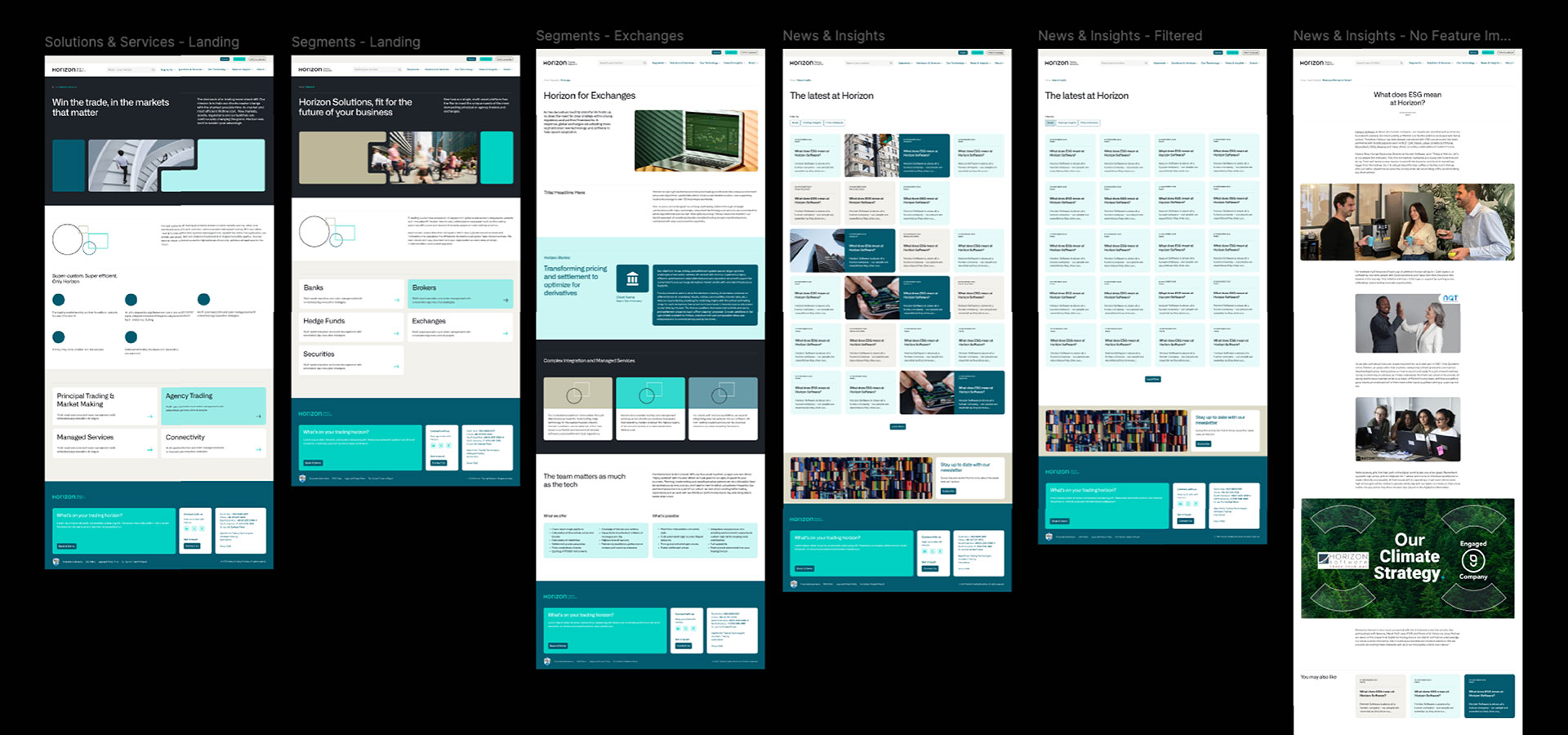
Information architecture. Once you know who’s coming and what they need, you can figure out how the site should be organized. For Horizon Trading Solutions, we rebuilt the information architecture from scratch, working with their leadership in Paris, we restructured how the company presented its suite of products to a global audience of banks, brokers, and hedge funds. The old structure reflected how Horizon talked internally. The new one reflected how a client thinks when evaluating a fintech partner. Different framing creating transformative difference.
Content strategy. What goes on the site, and how does it say what it needs to say? Messaging, tone, hierarchy, the stories you choose to tell, most people don’t think about it but these are brand decisions as much as writing decisions. Sometimes that means new content developed from the ground up. Sometimes it means helping a client see that their existing content is working against them. The communication about these decisions needs to be early in the process. Content creation left too late can create scope creep and jeopardize launch dates.
CMS and platform strategy. Not every client needs the same tool. We often spend a lot of time in our proposal stage understanding how a client will actually use a site. When we built the multi-site ecosystem for Urban Strategies, the platform architecture was itself a strategic choice. The ability to spin up standalone project microsites from within the same environment as the main site wasn’t an afterthought, it was fundamental. Getting the CMS right at the strategy stage saves enormous pain later.
Strategy is where we make sure everything is lined up before anyone starts designing. It’s the least visible part of the process and, in our experience, the most important.